
"Don't Let Pain Hold You Back – Book Your Appointment Today!"

FAQ

What is chronic pain?

Chronic pain is persistent pain that lasts for weeks, months, or even years, typically beyond the normal healing time of an injury or illness. It can result from conditions like arthritis, nerve damage, fibromyalgia, or past injuries, but sometimes the cause is unknown. Unlike acute pain, which serves as a warning signal for injury, chronic pain can persist even after the initial cause has healed. It can affect daily life, mental health, and overall well-being, often requiring a combination of treatments like medication, physical therapy, and lifestyle changes to manage.
Why Chronic Pain Needs to Be Treated?

Chronic pain needs to be treated because it can significantly impact a person’s quality of life, both physically and mentally. Without proper management, it can lead to:

  • Reduced Mobility and Function – Chronic pain can make it difficult to perform daily activities, affecting work, exercise, and overall independence.
  • Mental Health Issues – Long-term pain is linked to anxiety, depression, and stress, creating a cycle that can make pain feel worse.
  • Sleep Disruptions – Persistent pain often interferes with sleep, leading to fatigue and worsening health conditions.
  • Increased Risk of Other Health Problems – Untreated pain can contribute to high blood pressure, weakened immunity, and heart disease.
  • Emotional and Social Strain – Chronic pain can affect relationships, work performance, and overall enjoyment of life.

Early and effective treatment, whether through medication, physical therapy, lifestyle changes, or psychological support, can help prevent these complications and improve overall well-being.

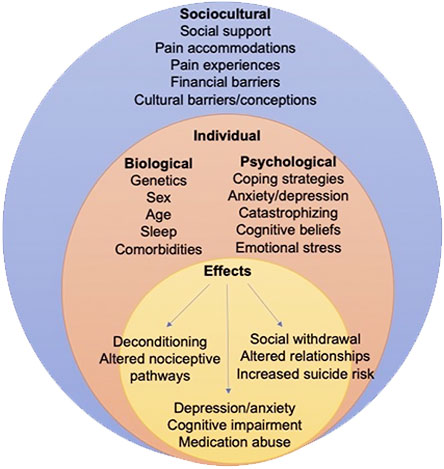
What is the Biopsychosocial Model of Chronic Pain?
img

The biopsychosocial model of chronic pain is a framework that explains chronic pain as the result of the interaction between biological, psychological, and social factors rather than just a purely physical issue. This model is widely used in pain management and treatment because it acknowledges the complexity of pain beyond just tissue damage or nerve dysfunction.

Why is this Model Important?

The biopsychosocial model helps create personalized, multi-faceted treatment plans rather than relying solely on medications or surgery. Effective pain management may include:

  • Medical treatments (medications, physical therapy, surgery if needed)
  • Psychological interventions (cognitive-behavioral therapy, mindfulness, relaxation techniques)
  • Lifestyle changes (exercise, diet, sleep improvement)
  • Social support (support groups, family education)

By addressing all three factors, this model improves long-term pain management and overall well-being.

How to Spread Awareness?
  • Education: Sharing information through workshops, social media, and events.
  • Support Groups: Encouraging people with chronic pain to connect and share experiences.
  • Advocacy: Pushing for policies that improve access to pain management.
  • Compassion: Encouraging society to understand and support individuals living with chronic pain.
Key Aspects of Chronic Pain Awareness:
1. Understanding Chronic Pain
  • It lasts longer than three months and can persist even after an injury heals.
  • It can be caused by conditions like arthritis, nerve damage, fibromyalgia, or past injuries.
  • Sometimes, the cause is unknown, but the pain is still real and impactful.
2. Breaking the Stigma
  • Many people with chronic pain face skepticism because their pain is "invisible."
  • Pain is not just in the mind—it involves real physical, neurological, and psychological factors.
  • Encouraging empathy and belief in patients' experiences is crucial.
3. The Impact on Daily Life
  • Chronic pain affects mental health, relationships, work, and social life.
  • It can lead to depression, anxiety, and sleep disorders.
  • People with chronic pain may need adjustments at work or help with daily activities.
4. Importance of Early Diagnosis and Treatment
  • Many people delay seeking help due to a lack of awareness or fear of judgment.
  • Effective treatments go beyond painkillers and include: Physical therapy, Psychological support (CBT, mindfulness), Lifestyle changes (exercise, diet, sleep), Medication when necessary
5. Advocating for Better Support
  • More research and funding are needed to develop better treatments.
  • Healthcare providers should receive better training to recognize and manage chronic pain.
  • Workplaces and communities should create supportive environments for those with chronic pain.