"Don't Let Pain Hold You Back – Book Your Appointment Today!"

Conditions Treated

img img

Sciatica

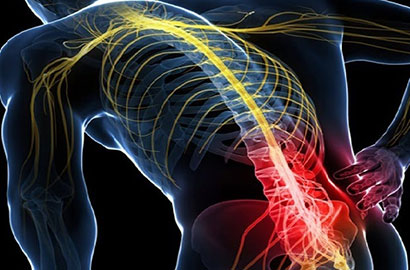
Sciatica is a condition characterized by pain that radiates along the path of the sciatic nerve, which runs from the lower back down through the hips, buttocks, and legs. It is often caused by compression or irritation of the nerve, leading to discomfort and mobility issues.


Causes of Sciatica:
  • Herniated or Bulging Discs – A slipped or ruptured disc pressing on the sciatic nerve.
  • Spinal Stenosis – Narrowing of the spinal canal, leading to nerve compression.
  • Piriformis Syndrome – A tight piriformis muscle irritating the sciatic nerve.
  • Degenerative Disc Disease – Wear and tear on spinal discs, causing nerve irritation.
  • Injuries & Trauma – Accidents or falls affecting the lower back and spine.
Symptoms of Sciatica:
  • Sharp, shooting pain from the lower back to the leg.
  • Numbness or tingling sensation in the legs and feet.
  • Weakness in the affected leg or foot.
  • Pain that worsens with prolonged sitting or standing.
  • Burning sensation along the sciatic nerve pathway.
Treatment Options for Sciatica:
  • Medications – Pain relievers, anti-inflammatory drugs, and muscle relaxants.
  • Physical Therapy – Stretching and strengthening exercises to reduce nerve pressure.
  • Chiropractic Adjustments – Spinal realignment to relieve nerve compression.
  • Ozone Injections – Reduces inflammation and promotes healing.
  • Epidural Steroid Injections – Provides temporary pain relief by reducing inflammation.
  • Surgical Intervention – In severe cases, surgery may be required to remove nerve pressure.
Prevention Tips:
  • Maintain proper posture while sitting and standing.
  • Engage in regular exercise to strengthen core and back muscles.
  • Avoid prolonged sitting and take frequent movement breaks.
  • Lift heavy objects correctly using your legs, not your back.
  • Maintain a healthy weight to reduce spinal stress.

Sciatica can significantly impact daily life, but with the right treatment and preventive measures, pain and discomfort can be effectively managed. If you experience persistent sciatic pain, consult a healthcare professional for the best course of action.