"Don't Let Pain Hold You Back – Book Your Appointment Today!"

Conditions Treated

img img

Myofascial Pain

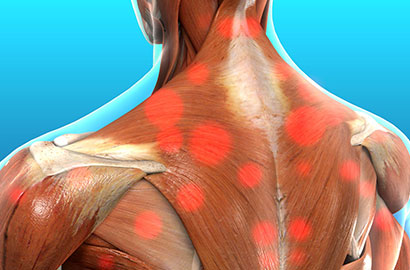
Myofascial pain is a chronic condition affecting the muscles and surrounding connective tissues (fascia). It is caused by tight, sensitive areas in the muscles known as trigger points, which can lead to pain, stiffness, and discomfort in different parts of the body. Unlike general muscle pain, myofascial pain persists over time and can worsen if left untreated.


Causes of Myofascial Pain:
  • Muscle Overuse or Injury - Repetitive strain, poor posture, or muscle trauma.
  • Stress & Tension – Emotional stress can lead to muscle tightness and trigger points.
  • Lack of Movement – Sedentary lifestyle or prolonged immobility.
  • Nutritional Deficiencies – Deficiency of vitamins like B12, D, or magnesium.
  • Medical Conditions – Conditions like fibromyalgia or chronic fatigue syndrome.
Symptoms of Myofascial Pain:
  • Deep, aching pain in muscles
  • Tender knots or trigger points in muscles
  • Muscle stiffness and reduced range of motion
  • Pain that worsens with stress or physical activity
  • Referred pain (pain felt in a different area from the trigger point)
Treatment Options for Myofascial Pain:
  • Physical Therapy – Stretching, strengthening exercises, and massage therapy.
  • Trigger Point Injections – Localized injections of anesthetics, corticosteroids, or dry needling.
  • Ozone Therapy – Helps improve circulation and reduce inflammation in affected areas.
  • Medication – Pain relievers, muscle relaxants, or anti-inflammatory drugs.
  • Heat & Cold Therapy – Applying heat or ice packs to affected muscles for relief.
  • Acupuncture & Chiropractic Care – Helps release muscle tension and improve mobility.
Prevention Tips:
  • Maintain Good Posture – Avoid slouching and practice proper ergonomics.
  • Stay Active – Regular stretching and strengthening exercises help prevent stiffness.
  • Manage Stress – Practice relaxation techniques like meditation or deep breathing.
  • Hydration & Nutrition – Keep muscles healthy by staying hydrated and consuming a balanced diet.
  • Avoid Repetitive Strain – Take breaks and change positions when working for long hours.

If you are experiencing persistent muscle pain or discomfort, consult a healthcare professional for a proper diagnosis and personalized treatment plan.