"Don't Let Pain Hold You Back – Book Your Appointment Today!"

Conditions Treated

img img

Spondylosis

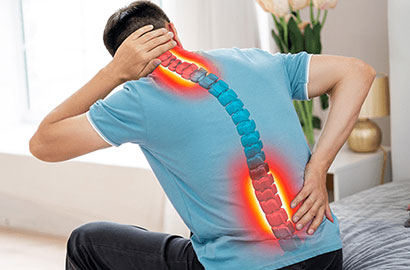
Spondylosis is a degenerative condition that affects the spine due to age-related wear and tear of the vertebrae, discs, and joints. It commonly occurs in the cervical (neck), thoracic (mid-back), or lumbar (lower back) regions, leading to stiffness, pain, and reduced mobility.


Causes of Spondylosis:
  • Aging – Natural wear and tear of spinal discs and joints over time.
  • Genetics – Family history of spinal disorders may increase the risk.
  • Poor Posture – Long hours of sitting, slouching, or improper ergonomics.
  • Repetitive Stress – Continuous strain on the spine from activities like lifting heavy objects.
  • Injury – Previous trauma or accidents affecting the spine.
  • Obesity – Excess weight adds pressure on the spinal structures.
Common Symptoms:
  • Persistent back or neck pain
  • Stiffness and reduced flexibility
  • Numbness or tingling in arms and legs
  • Muscle weakness
  • Headaches (if cervical spine is affected)
  • Difficulty in movement after prolonged inactivity
Treatment Options:
  • Physical Therapy – Strengthens muscles to support the spine.
  • Medications – Pain relievers and anti-inflammatory drugs for symptom relief.
  • Ozone Therapy – Reduces inflammation and promotes tissue healing.
  • Steroid Injections – Helps manage severe pain and inflammation.
  • Chiropractic Care – Realigns the spine to improve mobility.
  • Minimally Invasive Procedures – Such as nerve blocks or radiofrequency ablation.
  • Surgery (Severe Cases) – If nerve compression causes significant issues.
Prevention & Lifestyle Tips:
  • Maintain Good Posture – Keep your spine aligned while sitting and standing.
  • Regular Exercise – Strengthen back and core muscles.
  • Healthy Diet – Ensure adequate calcium and vitamin D intake for bone health.
  • Stay Active – Avoid prolonged sitting and take breaks during work.
  • Weight Management – Reduce strain on the spine by maintaining a healthy weight.
  • Ergonomic Adjustments – Use proper support for back and neck while working or sleeping.

Spondylosis is a manageable condition, and with the right care, you can maintain an active, pain-free lifestyle. If you experience persistent symptoms, consult a specialist for personalized treatment options.